












Affordable Living for Seniors: How to Acquire and Renovate Abandoned Homes
For seniors seeking affordable living options, acquiring and renovating abandoned homes can be an excellent solution. This approach offers the dual benefits of affordable housing and the opportunity to customize the living space to meet specific needs.
Understanding the Potential of Abandoned Homes
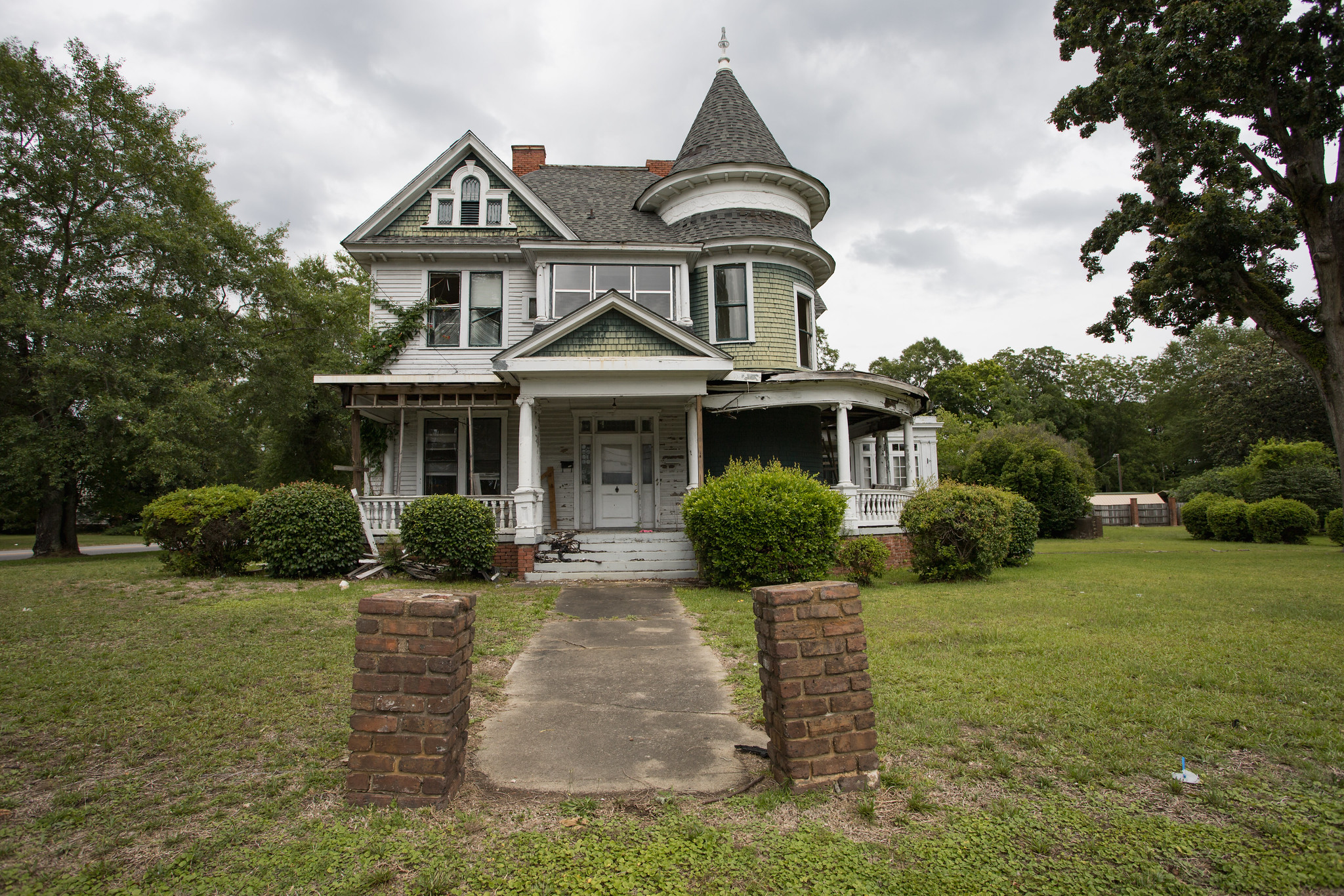
Abandoned homes, often found in various states of disrepair, can be acquired at significantly lower prices compared to traditional real estate markets. These properties, usually located in areas undergoing revitalization, offer seniors the possibility to purchase a home within a limited budget. However, it's essential to recognize that these homes will likely require renovation to become habitable and comfortable. The key to successfully transforming an abandoned property into a cozy home lies in careful planning, budgeting, and seeking professional advice where necessary.
Steps to Acquire an Abandoned Home
Research and Identify Potential Properties:
Start by researching neighborhoods known for having abandoned properties. Local government websites, real estate listings, and community forums can be valuable resources for identifying potential homes. Additionally, some municipalities may have programs designed to sell abandoned properties at reduced prices to encourage revitalization.
Inspect the Property:
Before making a purchase, it's crucial to conduct a thorough inspection of the property. This will help you understand the extent of repairs needed and assess whether the home is a viable option. Hiring a professional inspector can provide a detailed report on the condition of the foundation, roofing, plumbing, electrical systems, and other critical aspects.
Understand the Legalities:
Purchasing an abandoned home can involve navigating various legal considerations. Ensure that the property has a clear title and check for any outstanding taxes or liens. Consulting with a real estate attorney can help you avoid potential legal pitfalls and ensure a smooth transaction.
Secure Financing:
Financing the purchase and renovation of an abandoned home might require a combination of resources. Traditional mortgages may be available, but some lenders offer specific loans for purchasing and renovating distressed properties. Additionally, look into grants or financial assistance programs designed for seniors or first-time homebuyers.
Planning and Executing the Renovation
Once the property is acquired, the renovation phase begins. This stage is crucial for transforming the abandoned house into a functional and comfortable living space.
Create a Detailed Budget:
Start by creating a comprehensive budget that includes all anticipated costs, from major structural repairs to minor cosmetic updates. It's essential to include a contingency fund for unexpected expenses that often arise during renovation projects.
Hire Qualified Professionals:
Depending on the extent of the renovations needed, you may need to hire contractors, electricians, plumbers, and other specialists. Ensure that the professionals you hire are licensed, insured, and have good references. Clear communication and regular updates are vital for keeping the project on track.
Focus on Accessibility and Comfort:
When renovating a home for senior living, prioritize accessibility and comfort. Consider installing features such as grab bars in bathrooms, non-slip flooring, wider doorways, and ramps for easy access. These modifications can significantly enhance safety and convenience.
Energy Efficiency and Modern Amenities:
Incorporating energy-efficient features can help reduce long-term utility costs. Look into options such as energy-efficient windows, insulation, and modern heating and cooling systems. Additionally, updating the kitchen and bathroom with modern amenities can improve the overall quality of life.
Benefits and Challenges
Acquiring and renovating an abandoned home offers numerous benefits. It provides seniors with affordable housing and the opportunity to create a space tailored to their needs. Additionally, it contributes to community revitalization and can increase property values in the area.
However, there are challenges to be aware of. The renovation process can be time-consuming and may uncover unexpected issues, leading to additional costs. It's essential to approach the project with realistic expectations and a willingness to adapt as needed.
Reference
https://www.aplaceformom.com/planning-and-advice/articles/affordable-senior-housing
https://www.hud.gov/topics/information_for_senior_citizens
https://www.habitat.org/housing-help/apply
https://www.thebalance.com/how-to-find-abandoned-houses-for-investment-4121992
What's Your Reaction?