















Dental Implants: Your Path to a Radiant Smile
Dental implants are becoming the first choice for replacing missing teeth among many patients. It is widely agreed that dental implants are great, but closer examination inevitably raises more questions. Let's continue our discussion today and take a closer look at dental implants.
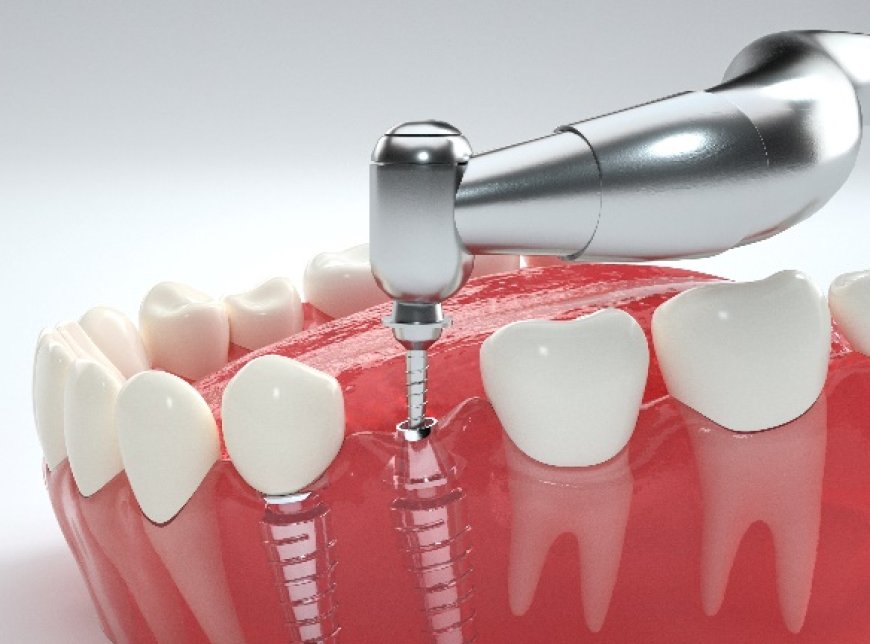
Dental implants are artificial tooth roots made of titanium that are surgically embedded into the jawbone to replace missing teeth. The implants fuse with the bone and act as anchors for artificial replacement teeth. Implants are the closest thing to mimicking real tooth roots.
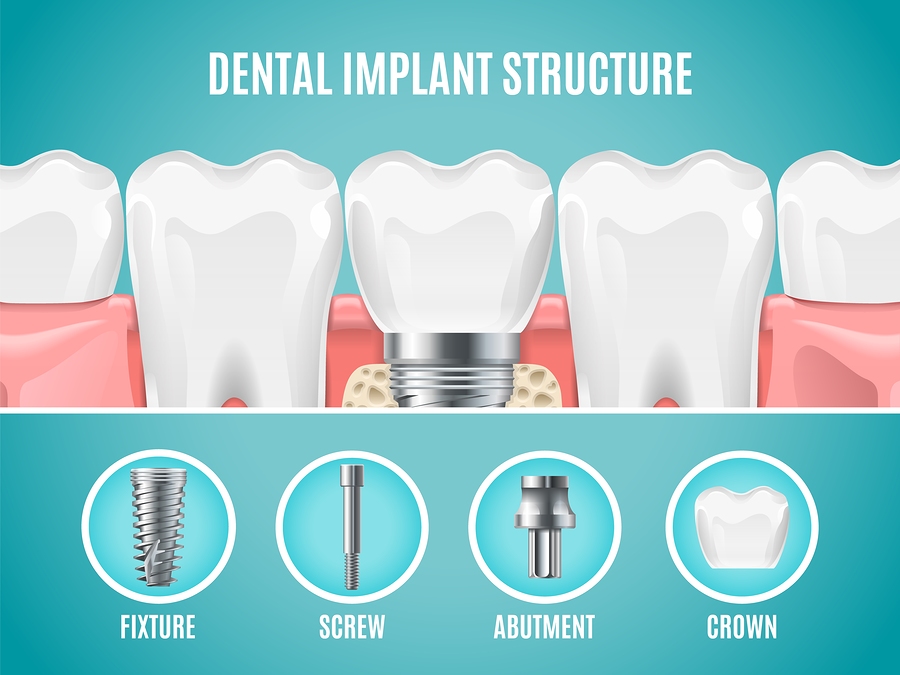
The success rate of dental implants has steadily improved over time. Since their introduction in the 1950s, advancements in medicine and materials science have led to success rates of over 94% after 5 years. The success rate will likely continue to increase as the technology improves.
Getting dental implants is a relatively minor oral surgery, similar to having a tooth extracted. The surgery is minimally invasive, uses local anesthesia, has little postoperative pain, and allows patients to eat soon afterwards. The entire implant surgery usually takes 30 minutes to 1 hour.
Dental implant materials are chosen for their biocompatibility. Even if osseointegration fails, the implant can be removed, the site will heal, and the implant can be redone. Failed implants are not catastrophic. Titanium is the most commonly used material for implants due to its lightweight, non-reactive, and strong properties.
Research shows that dental implants can be even more stable than natural teeth in many cases. Implants restore 100% chewing efficiency compared to removable dentures. However, implants lack the neural feedback of real tooth roots and can be overloaded during chewing. This can negatively impact the long-term survival of implants.
In general, dental implants are suitable for healthy patients who can undergo routine dental extraction and oral surgery. Patients with uncontrolled chronic illnesses like diabetes, heart disease, osteoporosis, or post-cancer radiation may not be good candidates. Smokers and alcoholics with poor oral hygiene are also poorer candidates.
Importantly, implants are not limited by age. Many seniors suffering from tooth loss can benefit from this successful technology. Each patient should be evaluated individually to determine if they are a good candidate.
In summary, dental implants are an excellent option for replacing missing teeth that can restore function and aesthetics. With proper case selection and surgical technique, implants can transform lives. Patients should discuss options with their dentist.
What's Your Reaction?