












Electric Bikes: Pedaling into a New Era of Transportation
Electric bikes, commonly known as e-bikes, have gained immense popularity in recent years as a sustainable and convenient mode of transportation. Whether commuting to work, running errands, or exploring the great outdoors, e-bikes offer a versatile and eco-friendly alternative to traditional bicycles and motor vehicles. This article will delve into what electric bikes are, how they work, their advantages, and the additional features they offer.
What are Electric Bikes?
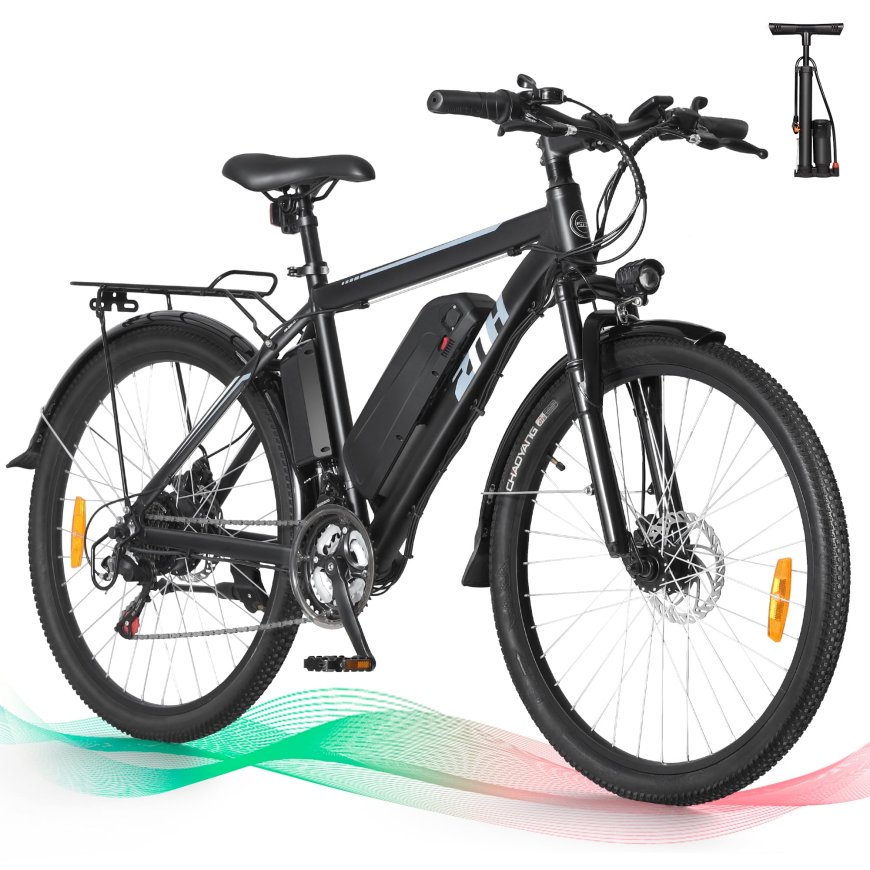
An electric bike is a bicycle equipped with an integrated electric motor and battery that assists with propulsion. While e-bikes come in various styles and designs, they all share the common feature of providing electric assistance to the rider, making pedaling easier, and enhancing the overall riding experience. There are three main types of e-bikes:
-
Pedal-Assist (Pedelec): These e-bikes provide motor assistance only when the rider is pedaling. The level of assistance can usually be adjusted via a control panel on the handlebars.
-
Throttle-Controlled: These e-bikes can be powered entirely by the motor using a throttle without the need for pedaling. However, they often still include pedal-assist modes.
-
Speed Pedelecs: These high-performance e-bikes offer higher speeds and more powerful motors, often requiring additional licensing and insurance in certain regions.
Advantages of Electric Bikes
Electric bikes offer numerous benefits, making them an attractive option for various types of riders:
-
Eco-Friendly Transportation: E-bikes produce zero emissions, making them an environmentally friendly alternative to cars and motorcycles. They contribute to reducing air pollution and reliance on fossil fuels.
-
Cost-Effective: Compared to owning and maintaining a car, e-bikes are much more affordable. They have lower operational costs, require less maintenance, and don’t need expensive fuel.
-
Health Benefits: E-bikes encourage physical activity by allowing riders to pedal with assistance, reducing physical strain and making cycling accessible to people of all fitness levels and ages.
-
Convenience and Flexibility: E-bikes are ideal for commuting, running errands, and recreational riding. They provide the flexibility to navigate through traffic, avoid parking hassles, and access areas where cars are restricted.
-
Extended Range and Speed: Electric assistance allows riders to travel longer distances and tackle challenging terrains with ease. This makes e-bikes suitable for both urban commuting and outdoor adventures.
Additional Features of Electric Bikes
Modern e-bikes come equipped with a variety of features that enhance the riding experience:
-
Integrated Lights: Many e-bikes include built-in front and rear lights, improving visibility and safety, especially during night rides.
-
Display Panel: A digital display on the handlebars provides essential information such as speed, distance traveled, battery level, and assistance mode.
-
Suspension Systems: Some e-bikes come with front or full suspension systems, offering a smoother ride on rough terrains and uneven surfaces.
-
Cargo Racks and Baskets: E-bikes designed for commuting or utility purposes often feature cargo racks or baskets, allowing riders to carry groceries, bags, or other items easily.
-
Intelligent Connectivity: Advanced e-bikes may include Bluetooth or GPS connectivity, enabling riders to track their rides, monitor bike health, and navigate routes using a smartphone app.
What's Your Reaction?