














Why Ductless AC is an Excellent Choice: Discover the Benefits
The increasing demand for ductless air conditioners, also known as mini-split ACs, stems from their remarkable ability to combine cost efficiency with powerful cooling performance. Several factors make these systems economically viable, positioning them as a popular choice for homeowners. Discover more by reading to explore the benefits that make ductless air conditioners an excellent option.
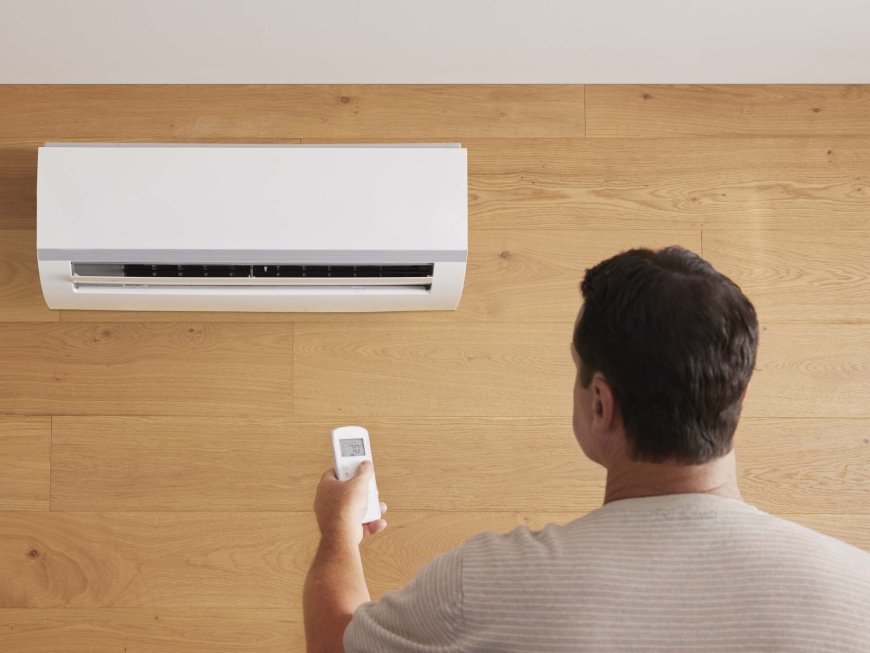
What is a Ductless AC System?
A ductless AC system consists of two main components: an indoor unit that delivers cooled air into the living space and an outdoor unit that removes heat from the indoor air. These units are connected by a conduit that houses the power cable, refrigerant tubing, suction tubing, and a condensate drain. Unlike traditional central air systems, ductless ACs do not require ductwork to distribute air throughout a building, making them a versatile option for homes without existing ducts or for individual room cooling.
How Do Ductless AC Systems Work?
Ductless AC systems operate using a refrigerant cycle, similar to traditional air conditioners. The indoor unit absorbs heat from the room, which is transferred to the outdoor unit via the refrigerant. The outdoor unit then releases the absorbed heat outside. This process continues until the desired indoor temperature is achieved. The systems are controlled by a remote or wall-mounted thermostat, allowing precise temperature regulation. Modern ductless AC systems also come with inverter technology, which adjusts the compressor speed to maintain a consistent room temperature, enhancing energy efficiency.
Benefits of Ductless AC Systems
One of the primary advantages of ductless AC systems is their energy efficiency. According to the U.S. Department of Energy, duct losses can account for more than 30% of energy consumption for space conditioning in a traditional HVAC system. By eliminating the need for ducts, ductless systems reduce energy waste. Additionally, they provide zoned cooling, allowing you to cool specific areas of your home rather than the entire house, further saving energy and reducing utility bills. Ductless systems are also easier to install, quieter, and offer improved indoor air quality by reducing the circulation of dust and allergens.
Considerations for Installation
While ductless AC systems offer numerous benefits, there are important factors to consider before installation. First, the initial cost can be higher than traditional systems, especially if multiple indoor units are required. However, the long-term energy savings often offset this initial investment. It's also essential to ensure proper sizing of the system for your space; an undersized unit will struggle to cool effectively, while an oversized unit can lead to short cycling and increased wear. Professional installation is highly recommended to ensure optimal performance and efficiency.
Maintenance and Longevity
Maintaining a ductless AC system is relatively straightforward but crucial for its longevity and efficiency. Regular cleaning of the filters, typically every month or as recommended by the manufacturer, is essential to maintain airflow and performance. The outdoor unit should be kept free of debris, and the refrigerant levels should be checked annually by a professional. With proper maintenance, ductless AC systems can last up to 20 years, making them a durable and reliable cooling solution.
Conclusion
Ductless AC systems provide an efficient, flexible, and cost-effective alternative to traditional air conditioning methods. By understanding their operation, benefits, and installation considerations, you can make an informed decision about whether a ductless system is right for your needs. With their increasing popularity and technological advancements, ductless AC systems are poised to become a staple in modern cooling solutions.
What's Your Reaction?