













Comprehensive Guide to Tree Removal: Methods, Costs
Tree removal is a critical aspect of landscape management, whether for safety, aesthetic, or environmental reasons. While the process may seem straightforward, it involves various considerations, including costs, methods, and sometimes government regulations. This blog post will provide an in-depth look at tree removal, exploring the reasons for tree removal, the different techniques available, typical costs, and how to navigate any free services or government policies that might apply.
Why Tree Removal Might Be Necessary
Tree removal can be necessary for a variety of reasons:
-
Safety Concerns: Dead or diseased trees pose a significant risk to people and property. Removal can prevent accidents caused by falling branches or entire trees.
-
Aesthetic Improvements: Sometimes, trees can obstruct views, overshadow other plants, or simply not fit into the desired landscape design.
-
Property Development: Expanding a building, adding a driveway, or installing a pool might require the removal of trees to make space.
-
Health of Other Plants: Overcrowded areas or trees infected with disease can harm the surrounding flora, making removal essential to protect other plants.
Tree Removal Methods
The method of tree removal can vary based on the size and location of the tree:
-
Manual Removal: For smaller trees, manual removal involves cutting the tree down with saws or axes. This method is labor-intensive but cost-effective.
-
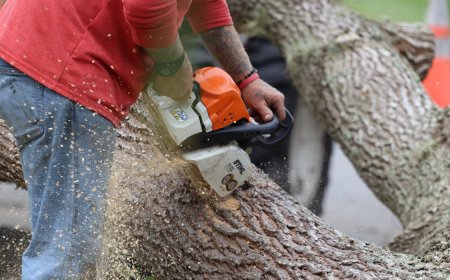
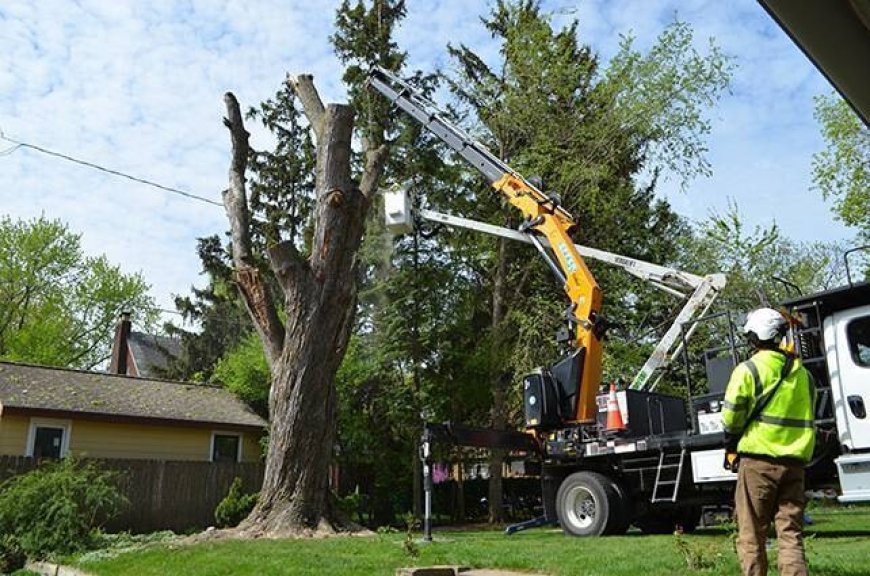
Mechanical Removal: Larger trees often require heavy machinery like chainsaws, cranes, and wood chippers to be safely and efficiently removed.
-
Chemical Removal: In some cases, chemicals are used to kill a tree before it is physically removed. This method can be controversial due to environmental concerns.
-
Professional Services: Hiring a tree removal service ensures that the job is done safely and efficiently, especially for large or hazardous trees. Professionals use a combination of the above methods depending on the situation.
Costs of Tree Removal
The cost of tree removal varies widely based on several factors:
-
Tree Size: Larger trees require more resources to remove, thus increasing the cost.
-
Location: Trees located near buildings, power lines, or other structures may require special equipment and techniques, raising the price.
-
Tree Condition: Dead or diseased trees can be more dangerous to remove, potentially increasing costs.
-
Accessibility: Additional labor and equipment might be necessary if a tree is in a hard-to-reach area.
On average, tree removal can cost between $150 and $1,500, with most homeowners spending around $750. For very large trees, costs can exceed $2,000.
Free Tree Removal Services
In some instances, tree removal can be free or subsidized:
-
Government Programs: Some municipalities offer free tree removal services for dead or hazardous trees that pose a risk to public safety. These programs are usually funded by local taxes and aimed at maintaining public safety and urban aesthetics.
-
Utility Companies: If a tree threatens power lines, utility companies might remove it at no charge to prevent service disruptions.
-
Non-Profit Organizations: Environmental or community groups sometimes offer free removal services for specific purposes, such as invasive species control or urban beautification projects.
You must check with local government offices or utility companies to see if such services are available in your area. Websites like Arbor Day Foundation and local municipal websites can provide more information.
Government Policies on Tree Removal
Government policies regarding tree removal vary by location and often include:
-
Permits: Many areas require a permit for tree removal, especially for large trees or those in protected areas. Permits ensure that tree removal is justified and follows environmental regulations.
-
Protected Trees: Certain trees may be protected due to their species, age, or historical significance. Removing these trees without authorization can result in hefty fines.
-
Replacement Requirements: Some policies require that a new one be planted for every tree removed to maintain urban greenery.
How to Navigate Tree Removal Policies
To comply with local regulations and avoid fines, follow these steps:
-
Research Local Laws: Check with your local government’s website or contact city planning offices to understand your area's specific requirements and restrictions.
-
Apply for Permits: If necessary, apply for a tree removal permit. This process typically involves applying details about the tree and reasons for removal.
-
Hire Licensed Professionals: Ensure that any tree removal service you hire is licensed and familiar with local regulations to avoid legal issues.
Conclusion
Tree removal is a significant undertaking that requires careful planning and consideration. Understanding the reasons for removal, methods available, associated costs, and navigating government policies can make the process smoother and more efficient. By being informed and proactive, you can ensure that tree removal is conducted safely and responsibly, benefiting your property and the surrounding environment.
What's Your Reaction?