














Boiler Repair and Inspection: Ensuring Safety and Efficiency
Boilers are critical in many residential, commercial, and industrial settings, providing essential heating and hot water. However, like any complex system, boilers require regular maintenance to function efficiently and safely. This article will explore the importance of boiler repair and inspection, discuss common issues that can arise, and provide tips on maintaining your boiler in optimal condition. By understanding these key aspects, you can ensure your boiler remains reliable and safe.
The Importance of Regular Boiler Inspections
Regular boiler inspections are crucial for several reasons. First and foremost, they help detect potential issues before they escalate into costly repairs or dangerous situations. For example, a small leak or pressure imbalance can lead to significant damage if left unaddressed. According to the National Board of Boiler and Pressure Vessel Inspectors, regular inspections can prevent accidents and improve system efficiency (source: National Board of Boiler and Pressure Vessel Inspectors).
Inspections also ensure compliance with local regulations and standards. Many jurisdictions require periodic boiler inspections to verify that systems meet safety and performance criteria. Failure to comply with these regulations can result in fines or even the shutdown of your heating system. For more information on local requirements, you can refer to your local government's website or the American Society of Mechanical Engineers (ASME).
Common Boiler Issues and Their Solutions
Boilers can experience a variety of issues over time, some of which are more common than others. One frequent problem is the buildup of scale and sediment within the boiler, which can reduce efficiency and lead to overheating. Regular cleaning and the use of water softeners can mitigate this issue. Another common problem is the failure of boiler components, such as the pressure relief valve or the thermostat. Regular maintenance and timely replacement of worn-out parts can prevent these failures.
Leaks are another significant concern. They can occur in various parts of the boiler, including the pipes, valves, and the boiler tank itself. Identifying and repairing leaks promptly is essential to prevent water damage and maintain system pressure. If you notice any signs of leaks, such as water pooling around the boiler or a drop in pressure, contact a professional technician immediately.
The Role of Professional Technicians
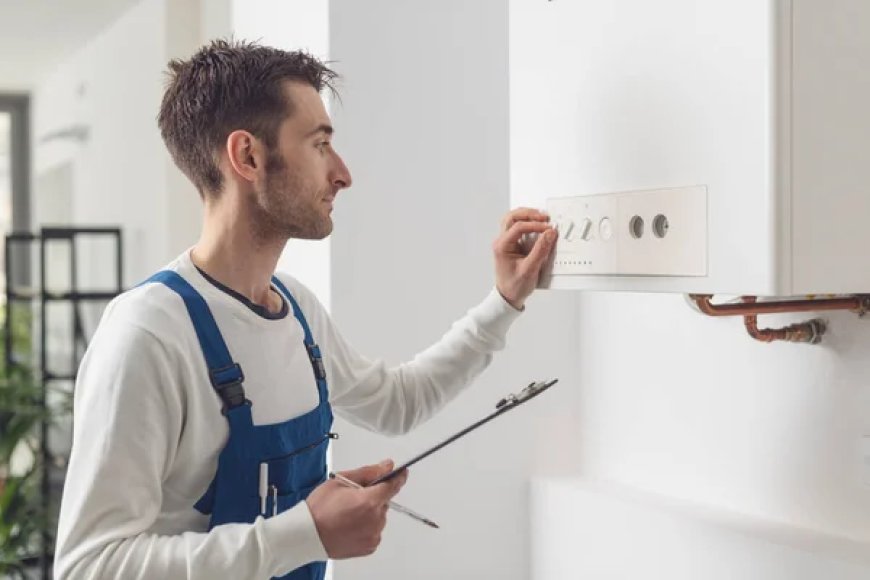
While homeowners or facility managers can perform some boiler maintenance tasks, others require the expertise of a professional technician. Certified technicians have the training and experience to conduct thorough inspections, diagnose issues accurately, and perform repairs safely. They can also provide valuable advice on maintaining your boiler and extending its lifespan.
When selecting a boiler repair and inspection service, look for companies with good reputations and relevant certifications, such as those from the American Society of Heating, Refrigerating and Air-Conditioning Engineers (ASHRAE) or the National Institute for the Uniform Licensing of Power Engineers (NIULPE). You can find a list of certified professionals on websites like Angie's List or HomeAdvisor.
Preventive Maintenance Tips
Preventive maintenance is key to keeping your boiler in good working condition. Here are some essential tips:
-
Regularly Check and Adjust Pressure: Ensure the boiler pressure is within the recommended range. Low pressure can reduce efficiency, while high pressure can cause leaks and damage.
-
Inspect and Clean Components: Regularly inspect and clean the heat exchanger, burner, and other components to prevent the buildup of soot and debris.
-
Monitor for Unusual Noises or Odors: Strange noises or odors can indicate underlying issues. If you detect anything unusual, contact a professional technician for a thorough inspection.
-
Schedule Annual Inspections: Even if your boiler seems to be functioning well, schedule annual inspections to catch potential problems early.
Conclusion
Regular boiler repair and inspection are essential for ensuring your heating system's safety, efficiency, and longevity. By understanding common issues, the role of professional technicians, and the importance of preventive maintenance, you can keep your boiler running smoothly and avoid costly repairs.
What's Your Reaction?