












Seniors Affordable Dental Implants: Essential Information
Dental health is vital for seniors, impacting overall well-being and quality of life. Dental implants provide a reliable solution for tooth loss, but the costs can be daunting. This article explores affordable dental implant options for seniors, covering cost factors, ways to reduce expenses, and available financial assistance programs.
Understanding Dental Implants
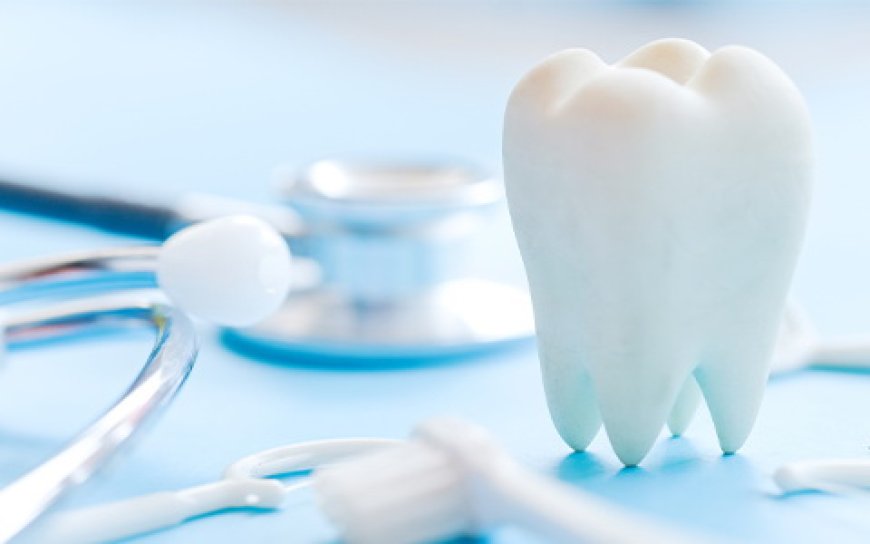
Dental implants are artificial tooth roots, typically titanium, that provide a sturdy base for fixed or removable replacement teeth. The procedure involves several stages: initial consultation, implant placement, osseointegration (fusion with the jawbone), and crown placement. Benefits include improved oral health, better chewing function, and enhanced appearance. However, understanding the costs associated is crucial for seniors considering this option.
Cost Factors
The cost of dental implants varies based on several factors:
-
Number of Implants: More implants mean higher costs.
-
Materials: Different materials for the prosthetic tooth can impact price.
-
Geographic Location: Costs differ by region.
-
Preparatory Procedures: Additional treatments like bone grafts can add to the expense.
For detailed information on cost factors, visit WebMD.
Reducing Costs
Here are some strategies to make dental implants more affordable:
-
Compare Prices: Get quotes from multiple dental providers.
-
Dental Schools: Treatments by supervised students can be less expensive.
-
Payment Plans: Some dentists offer financing options.
-
Dental Tourism: Traveling to countries with lower dental costs can be an option, but ensure the quality of care.
Financial Assistance Programs
Several programs can help seniors afford dental implants:
-
Medicare and Medicaid: While Medicare generally doesn't cover dental implants, some Medicare Advantage plans might. Medicaid coverage varies by state.
-
Dental Lifeline Network: Provides free or reduced-cost dental services (visit Dental Lifeline Network).
-
Community Health Programs: Local organizations may offer assistance.
Alternative Solutions
If dental implants are unaffordable, consider these alternatives:
-
Dentures: Removable devices that replace missing teeth.
-
Dental Bridges: Fixed devices anchored to adjacent teeth.
Both options are more cost-effective, though they may not offer the same benefits as implants. Consult a dental professional to find the best solution based on your needs and budget.
Conclusion
Affordable dental implants for seniors are possible with careful planning and research. By understanding cost factors, exploring cost-reduction strategies, and seeking financial assistance, seniors can access the benefits of dental implants. For more details, visit WebMD and the Dental Lifeline Network.
What's Your Reaction?